
Personal growth is not just a motivational concept or a temporary phase—it is a lifelong journey of self-improvement that helps individuals evolve mentally, emotionally, and professionally. In today’s fast-paced and competitive world, personal growth has become essential for maintaining balance, confidence, and long-term success. People who consciously invest in their growth are better equipped to handle challenges, adapt to change, and lead more fulfilling lives.
Self-Awareness: Understanding Yourself at a Deeper Level
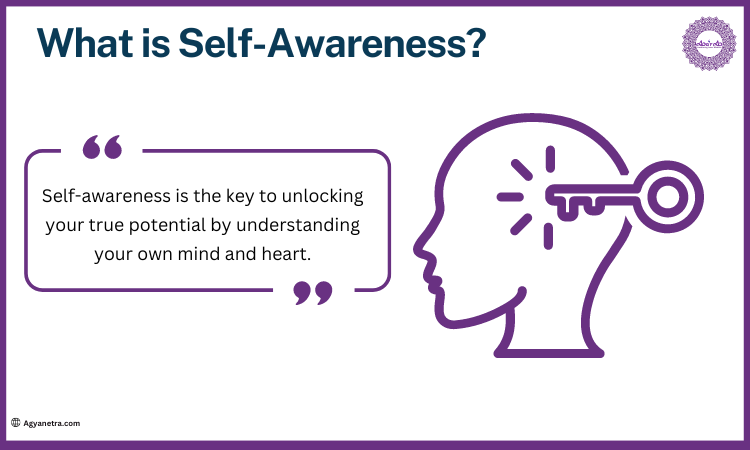
Self-awareness is the foundation of personal growth. It involves understanding your thoughts, emotions, behaviors, and inner motivations. Without self-awareness, growth becomes accidental rather than intentional. When you know yourself well, you can make better decisions and take control of your life.
Key aspects of self-awareness include:
- Identifying your strengths and leveraging them effectively
- Acknowledging your weaknesses without self-judgment
- Understanding emotional triggers such as fear, anger, or insecurity
- Recognizing behavioral patterns and habits
- Clarifying personal values, beliefs, and priorities
Highly self-aware individuals tend to have stronger emotional control and healthier relationships, both personally and professionally
Mindset Development: Changing the Way You Think
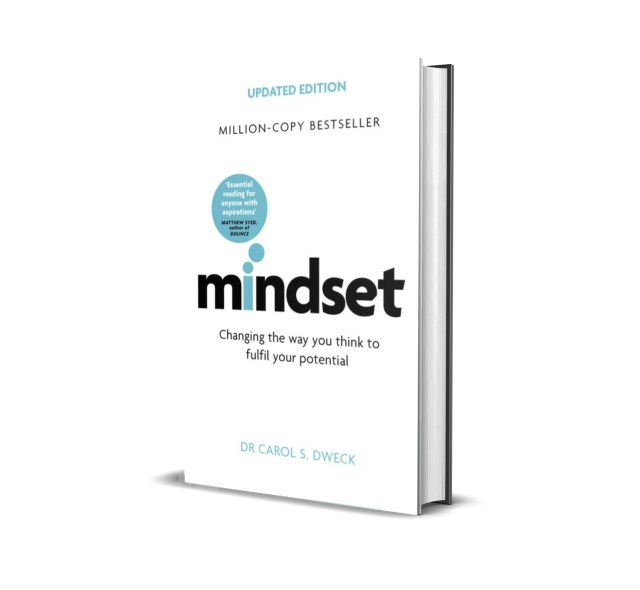
Key elements of a growth-oriented mindset:
- Replacing limiting beliefs with empowering thoughts
- Viewing failures as learning experiences rather than setbacks
- Practicing positive self-talk and self-encouragement
- Avoiding unhealthy comparisons with others
- Embracing change and uncertainty
Studies show that individuals with a growth mindset are more adaptable, motivated, and successful in the long run.
Goal Setting & Clarity: Creating Direction for Growth
Without clear goals, personal growth lacks direction. Goals act as a roadmap that guides daily actions and long-term decisions. Clarity helps transform effort into meaningful progress.
Effective goal-setting practices include:
- Defining short-term and long-term personal and professional goals
- Using the SMART goal framework (Specific, Measurable, Achievable, Relevant, Time-bound)
- Breaking large goals into smaller, actionable steps
- Writing goals down or using vision boards
- Reviewing and adjusting goals regularly
People who write their goals are significantly more likely to achieve them than those who keep goals only in mind.
Discipline & Consistency: The Real Drivers of Success
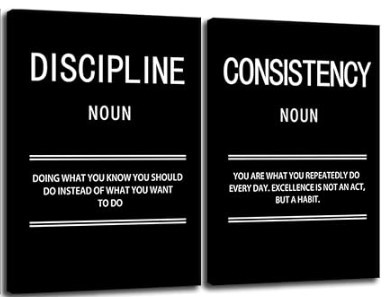
Motivation can be temporary, but discipline creates lasting results. Personal growth depends on consistent effort rather than occasional bursts of enthusiasm. Discipline turns intentions into habits.
Key discipline-building strategies:
- Creating a structured daily routine
- Managing time effectively and minimizing distractions
- Understanding and overcoming procrastination
- Tracking habits and progress
- Making discipline a lifestyle, not a punishment
Consistency helps the brain form new neural pathways, making positive habits easier to maintain over time.
Confidence & Self-Belief: Trusting Yourself

Confidence is not about being perfect—it is about trusting yourself. Strong self-belief empowers individuals to take risks, express themselves, and grow beyond limitations.
Ways to build confidence include:
- Acknowledging and celebrating small achievements
- Practicing positive self-talk
- Improving communication and body language
- Setting healthy boundaries and learning to say “no”
- Stepping out of the comfort zone regularly
Confidence is a skill developed through practice, not an inborn trait.
Continuous Learning: Never Stop Growing
In a constantly changing world, continuous learning is essential for personal growth. Learning keeps you relevant, curious, and adaptable. Growth stops the moment learning stops.
Key learning habits include:
- Reading books, listening to podcasts, and attending courses
- Developing new skills regularly
- Accepting feedback with an open mind
- Applying knowledge in real-life situations
- Maintaining curiosity and a learner’s mindset
Emotional Intelligence: Mastering Emotions and Relationships
Emotional intelligence (EQ) is the ability to understand and manage your emotions while also recognizing the emotions of others. It plays a crucial role in leadership, relationships, and stress management.
Core components of emotional intelligence:
- Recognizing and labeling emotions accurately
- Managing emotional reactions effectively
- Practicing empathy and active listening
- Handling conflicts maturely
- Building strong interpersonal relationships
High emotional intelligence leads to better decision-making and stronger professional and personal connections.
Mental & Physical Well-being: The Foundation of Sustainable Growth
Personal growth is incomplete without physical and mental well-being. A healthy body and a calm mind improve focus, energy, and decision-making.
Well-being practices include:
- Regular physical activity and movement
- Maintaining a balanced and nutritious diet
- Practicing mindfulness, meditation, or breathing exercises
- Getting adequate sleep and rest
- Reducing stress through self-care and digital breaks
Taking Action: Turning Knowledge into Results
Growth does not happen through planning alone—action is essential. Taking action reduces fear and builds confidence through experience.
Action-oriented growth strategies:
- Reducing overthinking and increasing execution
- Taking the first step even when conditions are not perfect
- Creating accountability systems or partners
- Implementing learning into daily life
- Focusing on progress, not perfection
Reflection & Continuous Improvement: Learning from the Journey

Reflection helps you understand how far you’ve come and where you need to improve. It provides clarity and ensures that growth stays aligned with your values and goals.
Reflection practices include:
- Weekly or monthly self-reviews
- Journaling thoughts, lessons, and experiences
- Turning mistakes into learning opportunities
- Celebrating small wins and milestones
- Staying aligned with long-term vision
Conclusion
Personal growth is not an overnight transformation—it is a disciplined, conscious, and continuous process. By developing self-awareness, cultivating the right mindset, building strong habits, and taking consistent action, individuals can become more confident, resilient, and fulfilled. Growth may be slow at times, but with patience and commitment, transformation is inevitable.
Note: This content is intended for informational and educational purposes only. Personal growth outcomes vary based on individual effort, mindset, consistency, and personal circumstances.
#PersonalGrowth #SelfDevelopment #MindsetGrowth #LifeImprovement #GrowthJourney#ConfidenceBuilding #DisciplineLife #EmotionalIntelligence #MentalWellbeing#SelfAwareness #ContinuousLearning #SuccessMindset#Carrerbook#Anslation