
Understanding Career Growth in the Modern Era
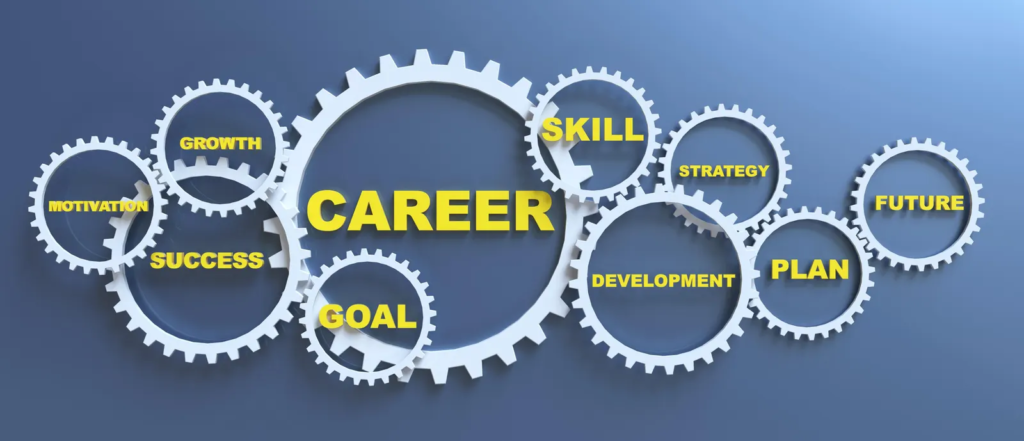
Career growth today is not just about climbing the corporate ladder or earning more money. It reflects a combination of professional development, skill mastery, personal growth, and long-term career stability. In 2026, the workplace is rapidly evolving due to technological advancements, globalization, and remote work culture. Jobs that existed a few years ago have changed, and new roles continue to emerge, requiring professionals to stay adaptable and proactive. Career growth now demands more than experience—it requires intentional planning, continuous learning, networking, and the ability to demonstrate value in ways that align with industry needs. Professionals who take a strategic approach toward their career trajectory are more likely to achieve long-term success.
Setting Clear and Achievable Goals
One of the fundamental strategies for career growth is goal setting. Professionals who clearly define their short-term and long-term objectives have a roadmap for success. Goals provide focus, direction, and measurable milestones that guide day-to-day decisions. For example, an individual aiming for a managerial position might identify skills they need to develop, certifications to complete, and projects to lead. Revisiting goals periodically is crucial, as priorities and market demands change over time. Experts emphasize setting realistic, achievable goals while remaining flexible enough to pivot when opportunities or challenges arise. Without clear goals, even talented professionals may feel directionless and miss growth opportunities.
The Future of Tech: Innovations to Watch in 2026
Understanding the Future of Technology Technology is evolving faster than ever, shaping the way we live, work, and interact. In 2026, the future of tech is defined by innovations…
Career Growth Strategies That Actually Work
Understanding Career Growth in the Modern Era Career growth today is not just about climbing the corporate ladder or earning more money. It reflects a combination of professional development,…

Sustainability in 2026: Why It Matters More Than Ever
Understanding Sustainability in the Modern World Sustainability in 2026 represents a broader and more responsible way of thinking about growth, development, and resource usage. It is no longer limited…

Expert Recommendations That Actually Work
The Importance of Expert Recommendations in Today’s World In the modern digital age, people are constantly exposed to advice from multiple sources, including social media, blogs, and online forums….

Personal Growth Habits That Are Changing Lives in 2026
The Shift in Personal Growth in 2026 Personal growth in 2026 has evolved into a more realistic, compassionate, and balanced approach to self-improvement. Unlike earlier years, when growth was…

Recommendations That Work: Proven Picks and Insights
In today’s fast-moving digital world, people are constantly faced with choices—tools to buy, platforms to trust, strategies to follow, and services to invest in. The abundance of information has…

Continuous Learning and Skill Development
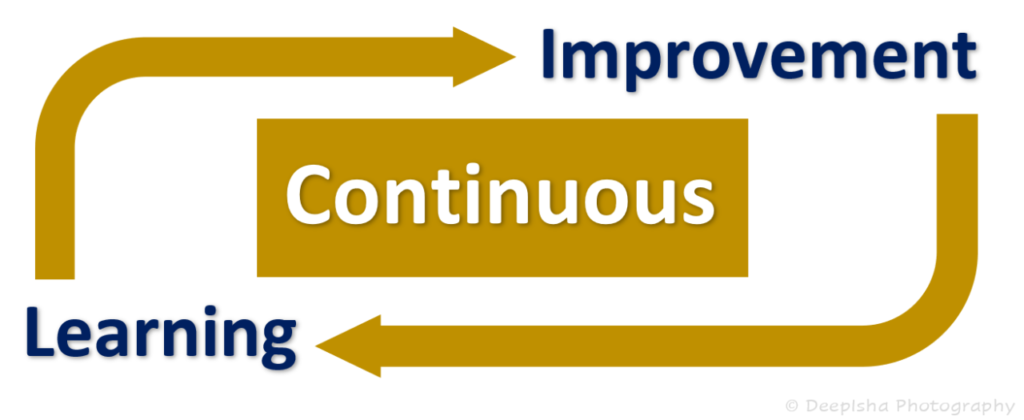
In a rapidly changing workplace, continuous learning is essential for career advancement. Employers in 2026 value professionals who actively enhance both technical and soft skills.
Technical skills might include coding, data analysis, or emerging tools in a particular industry, while soft skills focus on communication, problem-solving, adaptability, and leadership. Online courses, workshops, professional certifications, and mentorship programs are practical ways to enhance knowledge. Continuous learning not only improves performance but also demonstrates initiative and commitment to growth. Professionals who invest time in learning remain competitive, confident, and prepared to tackle new challenges in evolving industries.
Building and Nurturing a Professional Network
Networking is a critical driver of career growth. A strong professional network opens doors to mentorship, collaboration, and job opportunities that may not be publicly advertised. In 2026, networking extends beyond physical interactions and conferences—digital platforms like LinkedIn, professional communities, and industry forums have made connecting with peers and experts easier than ever. Experts recommend nurturing relationships rather than merely collecting contacts. Genuine networking focuses on trust, support, and value exchange. Professionals who cultivate meaningful connections often gain insights, advice, and opportunities that accelerate career growth and provide guidance in navigating challenges.
Embracing Feedback and Focusing on Self-Improvement

Feedback is one of the most powerful tools for career advancement. Professionals who actively seek feedback from supervisors, colleagues, and mentors gain valuable insight into their strengths and areas for improvement. Constructive criticism allows for course correction and helps build new competencies. Self-awareness is equally important; understanding your own working style, strengths, and weaknesses ensures that you can make conscious adjustments and leverage opportunities effectively. Experts recommend viewing feedback as a tool for growth rather than a personal critique. Those who embrace feedback cultivate resilience, adaptability, and a growth mindset, which are essential traits for sustained career success.
Taking Initiative and Demonstrating Leadership
Career growth often favors individuals who take initiative and step beyond their comfort zones. Leading a project, suggesting innovative solutions, or volunteering for cross-functional tasks shows proactive behavior and leadership potential. Taking initiative demonstrates to employers that an individual is capable of handling responsibilities beyond their current role. However, it is important to balance initiative with preparation—professionals should ensure that they are equipped to deliver results and add real value. Expert guidance emphasizes calculated initiative: demonstrating leadership through action while aligning efforts with organizational goals.
Adapting to Industry Changes and Emerging Trends

The ability to adapt to change has become more crucial than ever. In 2026, industries are evolving rapidly due to automation, artificial intelligence, and digital transformation. Professionals who stay informed about trends, emerging tools, and skill requirements are better positioned to advance.
Adaptability involves continuous learning, flexibility in approach, and openness to taking on new roles or responsibilities. Career paths are no longer linear; they require professionals to anticipate change, proactively upgrade their skills, and remain agile. Those who embrace change can seize opportunities faster and maintain a competitive edge in the market.
Maintaining Work-Life Balance for Sustainable Growth
While ambition is essential for career growth, long-term success requires a balance between work and personal life. Professionals who overcommit may face burnout, stress, or declining productivity, which can hinder career progression. Sustainable growth requires managing time effectively, prioritizing tasks, and ensuring that personal well-being is not compromised. A healthy work-life balance enhances focus, creativity, and resilience. Experts emphasize that career growth is not only about speed or achievements but also about maintaining mental clarity, physical health, and consistent performance over time.
Leveraging Mentorship and Professional Guidance
Mentorship is a vital component of career development. Experienced mentors provide insight, guidance, and perspective that can accelerate growth. In 2026, mentorship can take many forms: traditional in-person guidance, online mentorship programs, or peer-to-peer coaching. Mentors help professionals identify blind spots, set realistic goals, and navigate complex workplace dynamics. Access to mentorship enables continuous learning, exposure to diverse ideas, and strategic decision-making, which collectively enhance career growth. Professionals who actively seek mentorship demonstrate a commitment to development and are more likely to achieve significant milestones.
The Long-Term Perspective on Career Growth

Career growth is a marathon, not a sprint. Professionals who focus on long-term planning, continuous skill enhancement, and strategic networking are better prepared for future challenges. Short-term achievements, such as promotions or certifications, are valuable, but sustained growth requires consistent effort and adaptability. Experts advise professionals to remain patient, maintain focus, and invest in learning, relationships, and personal development. Those who combine ambition with strategic planning often find themselves better positioned for leadership roles, higher responsibility, and overall career satisfaction.
Final Thoughts
Career growth strategies that actually work are rooted in goal-setting, continuous learning, networking, feedback, initiative, adaptability, and balance. These strategies are not quick fixes but proven methods that lead to sustainable progress. Professionals who intentionally apply these approaches build not only their careers but also their confidence, expertise, and influence. In 2026, a strategic, proactive, and adaptable approach to career growth ensures that individuals remain competitive, fulfilled, and ready to embrace the evolving professional landscape.
#CareerGrowth #ProfessionalDevelopment #SkillEnhancement #CareerSuccess2026 #WorkplaceTips #ContinuousLearning #NetworkingForSuccess #CareerStrategies #LeadershipSkills #FutureOfWork#Carrerbook#Anslation.