
The world is entering an era where technology is no longer just a support system—it is the driving force behind economic growth, innovation, and lifestyle transformation. Future tech trends are reshaping industries, redefining jobs, and influencing how individuals interact with the world around them. From artificial intelligence to clean energy, emerging technologies are accelerating change at a scale never seen before. Understanding these trends is essential for businesses, professionals, and consumers who want to stay relevant in a rapidly evolving digital landscape.
Artificial Intelligence and Machine Learning
Artificial Intelligence (AI) and Machine Learning (ML) are at the heart of modern innovation. These technologies enable machines to analyze data, learn from patterns, and make intelligent decisions with minimal human intervention.
Key applications and impacts:
- Artificial Intelligence–powered automation improving productivity across industries
- Predictive analytics for better decision-making in finance and healthcare
- Personalized customer experiences in E-commerce Technology and digital media
- Intelligent chatbots and virtual assistants in customer support
Industry impact:
AI reduces operational costs, enhances accuracy, and allows businesses to scale faster while improving everyday convenience for users.
Internet of Things (IoT) and Smart Connectivity
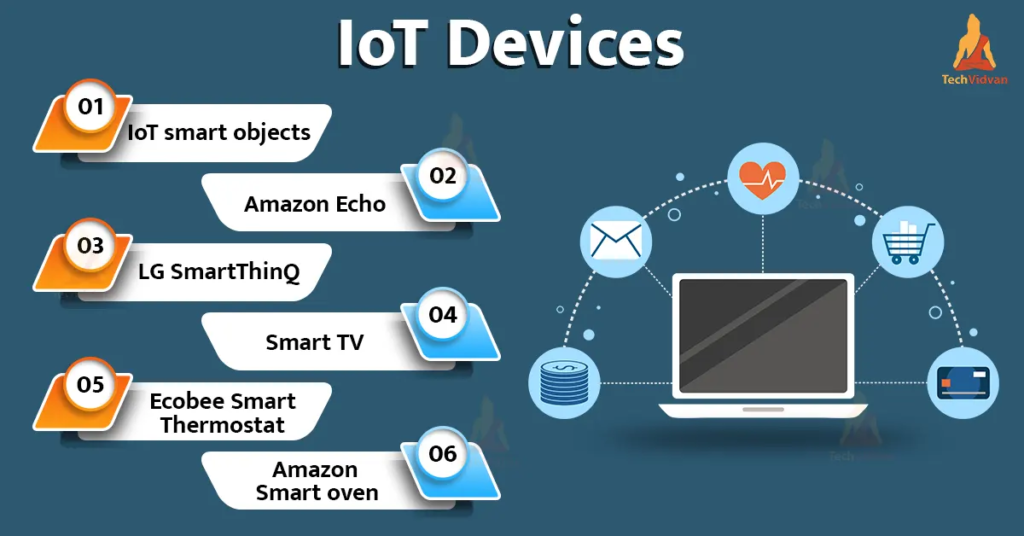
The Internet of Things (IoT) connects physical devices to the digital world, enabling real-time data exchange and intelligent automation. This connectivity is transforming infrastructure, homes, and industries.
Major IoT-driven transformations:
- Smart homes with connected lighting, security, and appliances
- Smart Cities optimizing traffic flow, energy use, and public safety
- Industrial IoT for predictive maintenance and real-time monitoring
- Wearable technology for health, fitness, and lifestyle tracking
IoT enhances efficiency, safety, and user experience in daily life.
Blockchain and Decentralized Technologies
Blockchain is redefining trust and transparency in the digital economy. Beyond cryptocurrencies, Blockchain Technology is enabling secure, decentralized systems across sectors.
Key use cases include:
- Transparent and tamper-proof financial transactions
- Supply Chain Transparency and product traceability
- Decentralized Finance (DeFi) platforms
- Secure digital identity and data protection
Blockchain reduces dependency on intermediaries and strengthens digital trust.
Extended Reality (AR, VR, and MR)
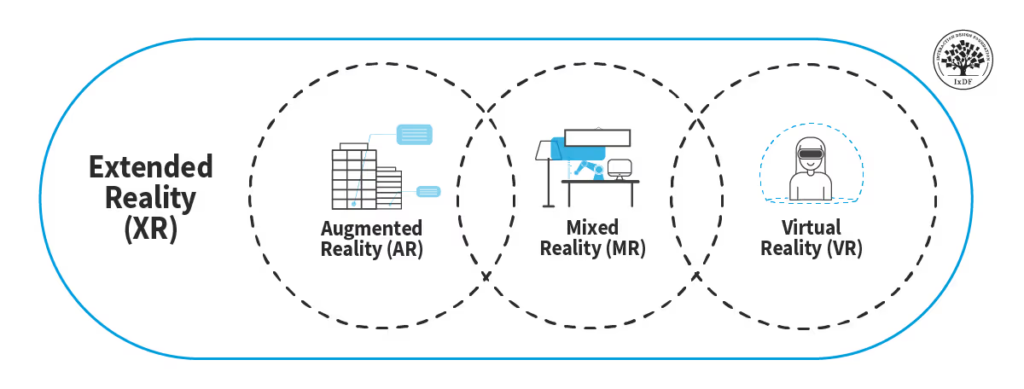
Extended Reality (XR)—including Augmented Reality (AR), Virtual Reality (VR), and Mixed Reality—is revolutionizing how people learn, work, and interact with digital environments.
XR applications include:
- Immersive learning and training simulations
- Virtual shopping and product visualization
- Remote collaboration and virtual offices
- Gaming, entertainment, and experiential marketing
XR blurs the line between physical and digital worlds.
Biotechnology and Health Technolog
Future tech is transforming healthcare through advanced biotechnology and digital health solutions. Health Tech innovations are improving patient outcomes and accessibility.
Key advancements include:
- Personalized medicine and genomics
- AI-driven diagnostics and medical imaging
- Telemedicine and remote patient monitoring
- Smart wearables and health analytics
Technology-driven healthcare focuses on prevention, precision, and personalization.
Renewable Energy and Clean Technology
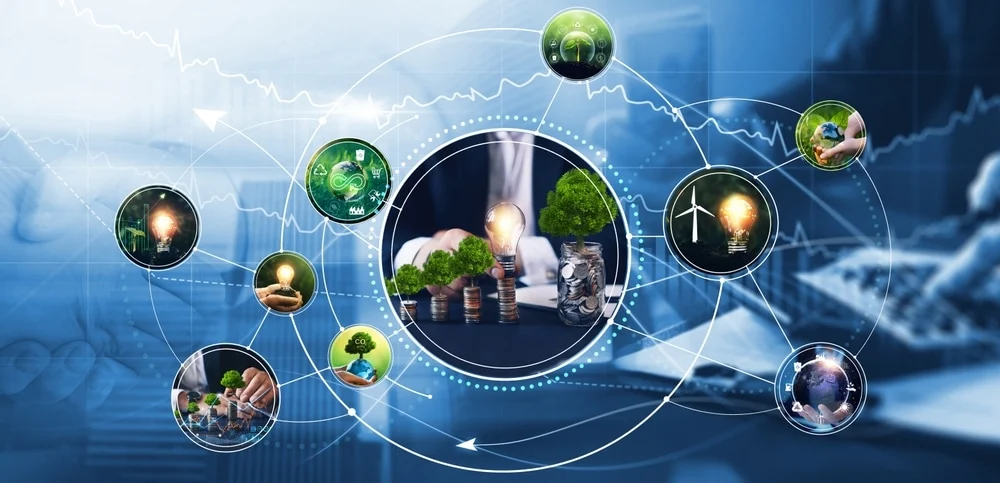
Sustainability-driven future tech is reshaping the global energy landscape. Clean Technology supports environmental responsibility while meeting rising energy demands.
Key clean tech trends:
- Solar, wind, and renewable energy innovations
- Advanced battery storage and energy optimization
- Electric Vehicles (EVs) and charging infrastructure
- Smart grids and energy management systems
Clean tech plays a crucial role in combating climate change.
Autonomous Systems and Robotics
Autonomous systems and robotics are transforming mobility, logistics, and manufacturing. These technologies improve efficiency while reducing human risk.
Major developments include:
- Autonomous Vehicles and driver-assistance systems
- Robotics in smart factories and warehouses
- Drones for delivery, inspection, and surveillance
- Automation in agriculture and construction
Autonomous tech increases speed, safety, and precision.
Cloud Computing and Edge Technologies
Cloud Computing and edge technologies form the backbone of digital transformation. They enable scalable infrastructure and real-time data processing.
Key benefits include:
- Flexible and scalable IT infrastructure
- Edge computing for low-latency processing
- Support for AI, IoT, and big data analytics
- Remote work, collaboration, and digital services
Cloud and edge technologies power modern digital ecosystems.
Cybersecurity and Data Privacy
As digital dependence grows, Cybersecurity and data privacy become critical. Future tech focuses on proactive and intelligent security systems.
Key cybersecurity trends:
- AI-driven threat detection
- Zero-trust security frameworks
- Data encryption and privacy-enhancing technologies
- Cyber resilience and risk management strategies
Strong cybersecurity builds trust in digital platforms.
Industry Transformation Through Future Tech
Future tech trends are driving Digital Transformation across industries, enabling smarter and more agile operations.
Industry-level changes include:
- Smart manufacturing and Industry 4.0
- Fintech and digital banking solutions
- EdTech platforms and virtual learning
- Personalized retail and customer analytics
Technology is redefining how industries operate and compete.
Everyday Life in a Technology-Driven Future
Future tech is deeply integrated into daily life, enhancing convenience, safety, and productivity.
Everyday applications include:
- Smart homes and connected living
- Faster and safer transportation
- On-demand digital services
- Improved access to education and healthcare
Technology is becoming an invisible yet essential part of life
Preparing for a Future Powered by Technology
To thrive in a tech-driven future, individuals and organizations must embrace adaptability and continuous learning.
Preparation strategies include:
- Upskilling in Future Skills
- Investing in digital infrastructure
- Prioritizing ethical and responsible technology use
- Staying informed about emerging trends
Future readiness is a strategic advantage.
Conclusion
Future tech trends are fundamentally transforming industries and everyday life. From artificial intelligence and IoT to clean energy and cybersecurity, these technologies are shaping a smarter, more connected, and more sustainable world. Businesses that embrace innovation will gain resilience and competitive advantage, while individuals who adapt will unlock new opportunities. The future is not approaching—it is already here, driven by technology.
Note: This content is intended for informational and educational purposes only. Technology trends and impacts may vary based on industry, geography, regulations, and adoption levels.
#FutureTech #TechnologyTrends #Innovation #ArtificialIntelligence #IoT #Blockchain #CleanTech
#CyberSecurity #SmartTechnology #TechFuture #Industry40#Carrerbook#Anslation.