
Future technology is no longer a distant concept—it is actively shaping the present and defining the future. From artificial intelligence and automation to blockchain and biotechnology, emerging technologies are transforming industries, economies, and human behavior at an unprecedented speed. While future tech unlocks powerful opportunities for innovation, efficiency, and growth, it also introduces new risks related to ethics, security, and societal impact. Understanding this balance is critical for building a future that is both technologically advanced and human-centered.
The Rise of Future Technologies
Future technologies are driven by rapid advancements in computing power, data availability, connectivity, and intelligent systems. Businesses, governments, and individuals are increasingly relying on Emerging Technologies to solve complex problems and improve productivity.
Future tech is reshaping how decisions are made, how services are delivered, and how value is created. Unlike traditional technologies, these innovations evolve quickly and scale globally, making adaptation a necessity rather than a choice.
Key drivers behind the rise of future tech include:
- Accelerated Digital Transformation across industries
- Increased availability of big data and analytics
- Demand for automation, speed, and efficiency
- Growth of cloud infrastructure and global connectivity
Future technologies are becoming the backbone of modern economies.
Opportunities Created by Future Tech
One of the biggest strengths of future tech lies in the vast opportunities it creates. Organizations that leverage Future Technology Trends effectively can unlock new revenue streams, improve efficiency, and deliver superior customer experiences.
Future tech empowers innovation by enabling businesses to rethink traditional models and adopt smarter, data-driven approaches. It also creates opportunities for individuals to access new careers, skills, and digital platforms.
Major opportunities include:
- Creation of innovative products and digital services
- Automation-driven productivity and cost efficiency
- Global market access through digital ecosystems
- Personalized and intelligent customer experiences
- Sustainability solutions through smart and clean technologies
When used strategically, technology becomes a powerful growth engine.
Artificial Intelligence and Intelligent Automation

Artificial Intelligence (AI) is one of the most transformative future technologies. It enables machines to learn from data, recognize patterns, and make decisions with minimal human input. AI is no longer limited to large corporations—it is becoming accessible across sectors.
AI-driven automation is transforming how work is done by reducing repetitive tasks and enhancing decision-making capabilities. From customer service to advanced research, AI is increasing speed, accuracy, and scalability.
Key opportunities enabled by AI include:
- Predictive analytics for smarter business decisions
- Intelligent automation in operations and manufacturing
- AI-powered chatbots and virtual assistants
- Advanced diagnostics in healthcare and scientific research
AI has the potential to augment human capabilities rather than replace them—if implemented responsibly.
Connectivity, Data, and Digital Ecosystems
Technologies such as Internet of Things (IoT), Cloud Computing, and 5G are creating interconnected digital ecosystems where devices, platforms, and users are seamlessly connected. These ecosystems allow real-time data exchange and intelligent system optimization.
Connectivity-driven technologies enable smarter environments, from connected homes and cities to intelligent supply chains and industrial systems.
Key possibilities unlocked by connectivity include:
- Smart infrastructure and intelligent urban planning
- Real-time monitoring and predictive maintenance
- Faster collaboration and remote work capabilities
- Data-driven insights for strategic and operational planning
Digital ecosystems make systems more responsive, efficient, and adaptive.
Risks and Challenges of Future Tech
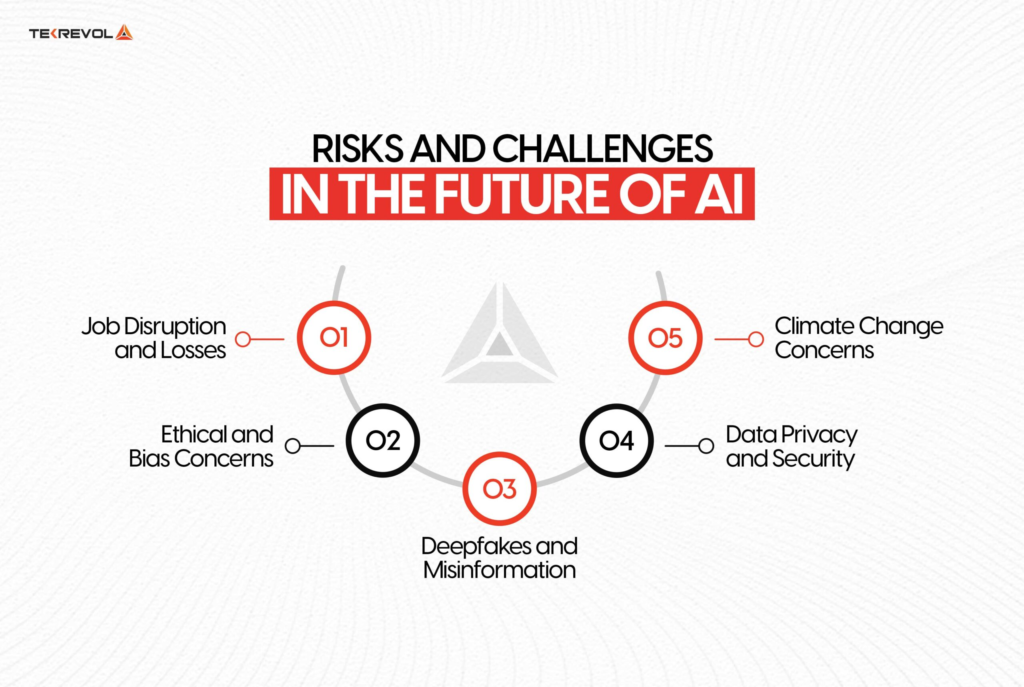
Despite its benefits, future tech also introduces significant risks that cannot be ignored. As dependence on technology grows, vulnerabilities related to security, ethics, and inequality increase.
Organizations must proactively address these risks to ensure sustainable and responsible adoption of Advanced Technologies.
Key risks include:
- Rising Cybersecurity Risks and digital threats
- Data privacy and surveillance concerns
- Workforce disruption due to automation
- Over-reliance on intelligent systems
- Ethical challenges in AI decision-making
Managing risk is as important as embracing innovation.
Cybersecurity and Digital Trust
In a hyper-connected world, cybersecurity is foundational to future tech adoption. Without strong Cybersecurity Solutions, trust in digital systems collapses.
As attack surfaces expand, organizations must move from reactive security approaches to proactive and resilient frameworks.
Critical cybersecurity focus areas include:
- AI-driven threat detection and prevention
- Zero-trust security architectures
- Secure data encryption and access control
- Cyber resilience and incident recovery planning
Digital trust is essential for long-term technological success.
Ethical and Responsible Technology Use
Future tech must be governed by strong ethical principles. Responsible innovation ensures that technology serves humanity rather than harms it. Responsible AI and ethical tech frameworks are becoming global priorities.
Ethics in technology is not just about compliance—it is about values, transparency, and accountability.
Key ethical priorities include:
- Transparency in automated decision-making
- Bias detection and fairness in algorithms
- Responsible data collection and consent
- Clear accountability for technology outcomes
Ethical technology builds long-term trust and acceptance.
Societal and Economic Impact of Future Tech
Future tech has the potential to significantly improve quality of life, economic inclusion, and access to essential services. However, benefits must be distributed equitably.
When aligned with Sustainable Development goals, technology can drive positive societal change.
Positive societal impacts include:
- Improved access to education and digital learning
- Expansion of telemedicine and healthcare services
- Financial inclusion through digital platforms
- Smarter governance and public services
Inclusive adoption ensures technology benefits everyone, not just a few.
Preparing Businesses for the Future Tech Era
To thrive in a technology-driven future, organizations must adopt a forward-looking and adaptive mindset. Being future-ready requires more than adopting tools—it requires cultural and strategic transformation.
Key preparation strategies include:
- Investing in scalable digital infrastructure
- Upskilling and reskilling the workforce with Future Skills
- Encouraging innovation and experimentation
- Aligning technology investments with long-term goals
- Measuring impact beyond short-term ROI
Prepared businesses are more resilient to disruption.
The Possibilities Ahead
The possibilities unlocked by future tech are vast and evolving. From intelligent cities and autonomous systems to personalized healthcare and immersive digital experiences, technology will continue to redefine what is possible.
The real power of future tech lies not just in innovation, but in how responsibly and thoughtfully it is applied.
Success in the future will depend on:
- Balancing opportunity with risk
- Innovation guided by ethics
- Continuous learning and adaptability
- Human-centric technology design
The future is shaped by choices made today.
Conclusion
Future tech unlocks immense opportunities while presenting complex risks and responsibilities. When adopted strategically and ethically, emerging technologies can drive innovation, economic growth, and societal progress. Businesses, governments, and individuals must work together to ensure technology is secure, inclusive, and aligned with human values. The future of technology is not just about advancement—it is about making progress meaningful.
Note: This content is intended for informational and educational purposes only. Technology trends, risks, and outcomes may vary based on industry, region, regulatory environment, and adoption levels.
#FutureTech #EmergingTechnology #TechInnovation #DigitalFuture#ArtificialIntelligence #CyberSecurity #ResponsibleTech
#TechOpportunities #TechRisks #SustainableInnovation#Carrerbook#Anslation.