
Understanding Sustainability in the Modern World
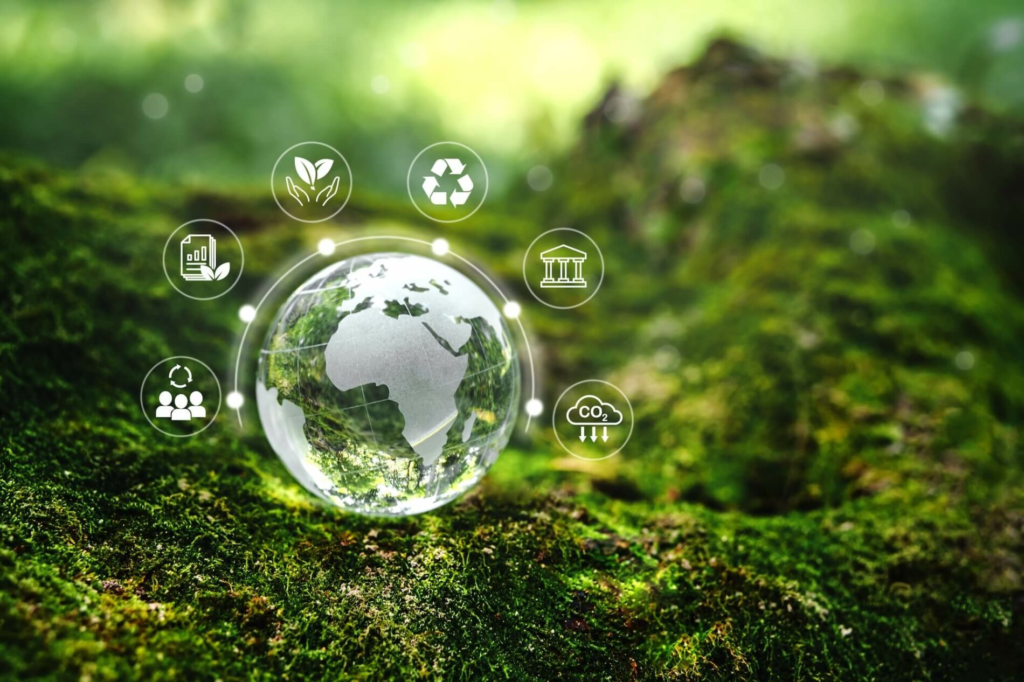
Sustainability in 2026 represents a broader and more responsible way of thinking about growth, development, and resource usage. It is no longer limited to environmental protection alone but now includes economic balance and social responsibility as well. The modern understanding of sustainability focuses on creating systems that can function efficiently over long periods without exhausting natural resources or harming ecosystems.
As populations grow and consumption increases, sustainable practices help maintain balance between human needs and environmental limits. This approach encourages long-term planning, responsible production, and conscious consumption to ensure a stable future.
Why Sustainability Has Become a Global Priority in 2026
By 2026, sustainability has become a global priority due to increasing environmental challenges that directly affect daily life. Climate change, rising pollution levels, water scarcity, and loss of biodiversity have made it clear that traditional methods of development are no longer sustainable. These issues are no longer distant threats but visible realities impacting health, agriculture, and economic stability. Governments, organizations, and communities worldwide are recognizing the urgency of adopting sustainable policies to protect ecosystems and secure resources for future generations. This global shift reflects a growing understanding that environmental responsibility is essential for long-term survival and prosperity.
The Growing Responsibility of Businesses Toward Sustainability
In 2026, businesses are expected to take greater responsibility for their environmental and social impact. Sustainability is no longer seen as an optional initiative but as a core business strategy. Companies are adopting sustainable manufacturing processes, reducing carbon emissions, and improving supply chain transparency. Consumers are increasingly aware of how products are made and prefer brands that demonstrate ethical and sustainable practices. This shift has encouraged businesses to integrate sustainability into their operations, not only to meet regulatory requirements but also to build trust, enhance brand reputation, and ensure long-term profitability.
Sustainability and Changing Consumer Behavior
Consumer behavior in 2026 reflects a strong shift toward sustainability-driven choices. People are becoming more aware of how their purchasing decisions affect the environment and society. This awareness has led to increased demand for eco-friendly products, sustainable packaging, and responsible brands. Consumers are focusing more on durability, quality, and ethical sourcing rather than fast consumption. This change in mindset supports sustainable production models and reduces waste. As individuals become more informed, their collective actions play a significant role in promoting sustainability across industries.
The Role of Technology in Advancing Sustainability
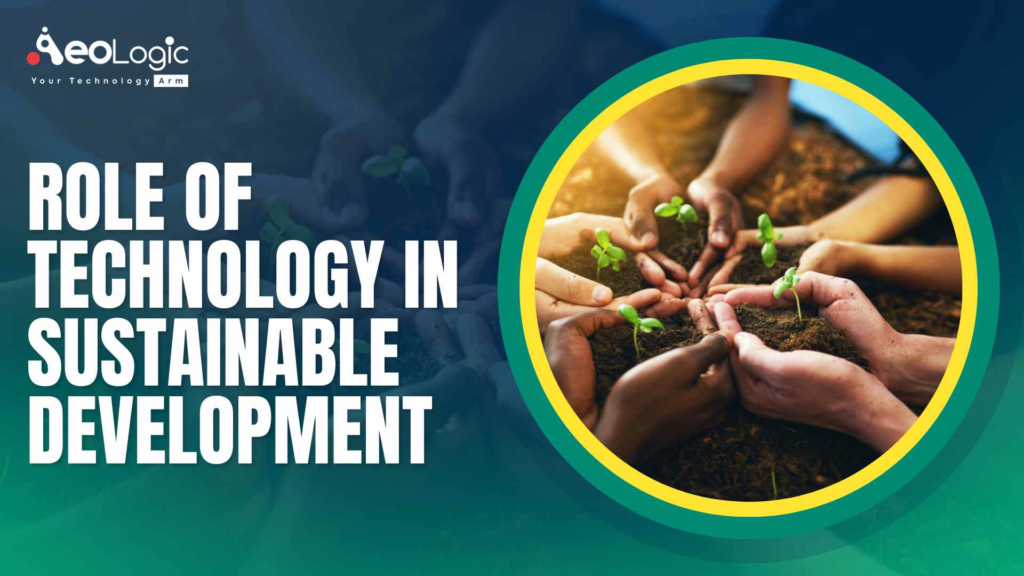
Technology continues to play a crucial role in supporting sustainability efforts in 2026. Advancements in renewable energy, smart infrastructure, and resource management systems are helping reduce environmental impact while maintaining efficiency. Technology enables better monitoring of energy usage, waste management, and emissions, allowing industries to make data-driven decisions.
Innovative solutions such as sustainable materials and energy-efficient systems are helping bridge the gap between development and environmental responsibility. Through responsible innovation, technology supports sustainable growth without compromising ecological balance.
Social and Economic Impact of Sustainable Development
Sustainability in 2026 also emphasizes social equity and economic stability. Sustainable development aims to create inclusive growth that benefits communities while protecting the environment. It focuses on fair labor practices, improved living conditions, and access to essential resources. By promoting ethical standards and community development, sustainability helps reduce inequality and strengthen social structures. Economically, sustainable practices encourage efficient resource use and long-term planning, which support stable and resilient economies capable of adapting to future challenges.
Looking Ahead: The Future of Sustainability Beyond 2026
The future of sustainability beyond 2026 depends on continued commitment and collective effort. Sustainable practices established today will shape environmental health, economic stability, and social well-being in the years to come. As awareness and innovation grow, sustainability will remain a guiding principle for responsible progress. Long-term success will require collaboration between governments, businesses, and individuals to maintain balance between development and environmental protection. By prioritizing sustainability now, societies can build a resilient and secure future for generations ahead.
The Future of Tech: Innovations to Watch in 2026
Understanding the Future of Technology Technology is evolving faster than ever, shaping the way we…
Career Growth Strategies That Actually Work
Understanding Career Growth in the Modern Era Career growth today is not just about climbing…

Sustainability in 2026: Why It Matters More Than Ever
Understanding Sustainability in the Modern World Sustainability in 2026 represents a broader and more responsible…
Expert Recommendations That Actually Work
The Importance of Expert Recommendations in Today’s World In the modern digital age, people are…

Personal Growth Habits That Are Changing Lives in 2026
The Shift in Personal Growth in 2026 Personal growth in 2026 has evolved into a…

Recommendations That Work: Proven Picks and Insights
In today’s fast-moving digital world, people are constantly faced with choices—tools to buy, platforms to…

Final Thought
Sustainability in 2026 is no longer a future goal but a present responsibility. It reflects a collective effort to balance growth with environmental protection, social well-being, and economic stability. The choices made today—by individuals, businesses, and governments—will determine the quality of life for future generations. By adopting sustainable practices now, society can create a healthier planet, stronger communities, and a more resilient future that benefits everyone.
#Sustainability2026 #GreenFuture #SustainableLiving #EcoAwareness #ClimateResponsibility #ResponsibleGrowth #FutureReady #EnvironmentalCare#Carrerbook#Anslation.