
Sustainability in business refers to creating value in a way that protects the environment, supports society, and ensures long-term economic stability. It is closely linked with concepts such as ESG (Environmental, Social, and Governance) and Corporate Responsibility, which guide how organizations measure impact beyond financial performance.
Core pillars of business sustainability include:
- Environmental sustainability – reducing carbon emissions, waste, and resource consumption
- Social sustainability – fair labor practices, diversity, inclusion, and community impact
- Economic sustainability – long-term profitability and responsible growth
- Governance – ethical leadership, transparency, and accountability
Sustainable businesses understand that profitability and responsibility can—and must—coexist.
Why Sustainability Makes Strong Business Sense
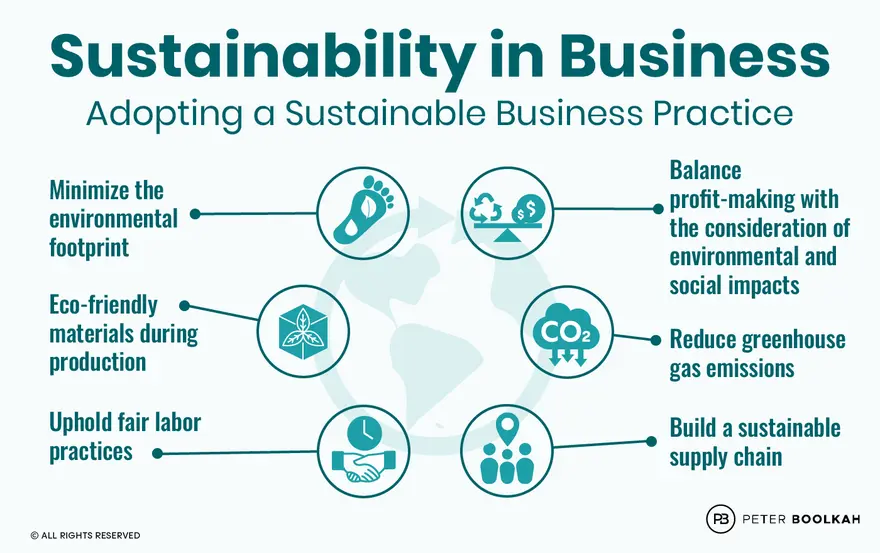
Sustainability is no longer a cost center; it is a value driver. Companies integrating sustainability into their core operations often outperform peers financially over the long term.
Key business advantages include:
- Cost savings through Energy Efficiency and resource optimization
- Reduced legal and regulatory risks
- Improved brand credibility and customer trust
- Better access to capital from Sustainable Investing and ESG-focused investors
Business insight:
Many global investment firms now prioritize ESG performance, making sustainability essential for attracting long-term investors.
Changing Consumer and Market Expectations

Consumers today are more conscious, informed, and values-driven. Sustainability influences purchasing decisions across industries—from fashion and food to technology and finance.
How sustainability impacts consumer behavior:
- Preference for Sustainable Brands and ethical companies
- Greater loyalty toward transparent organizations
- Increased demand for eco-friendly products and services
- Stronger backlash against greenwashing
Ignoring sustainability can lead to reputational damage and declining market relevance.
Sustainability as a Competitive Advantage
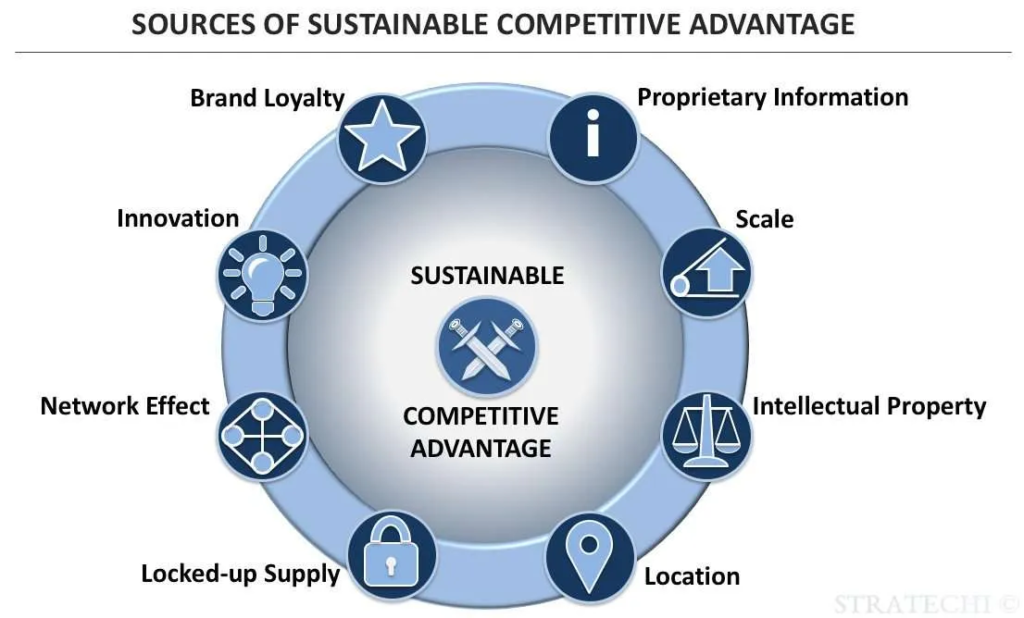
Sustainability enables differentiation in competitive markets. Companies that embed sustainability into their value proposition stand out as future-ready organizations.
Competitive benefits include:
- Innovation in Green Products and services
- Strong employer branding and talent retention
- More resilient and ethical supply chains
- Increased customer trust and brand loyalty
Workforce insight:
Younger professionals increasingly prefer employers with a strong sustainability purpose and social impact.
Operational Efficiency and Cost Optimization
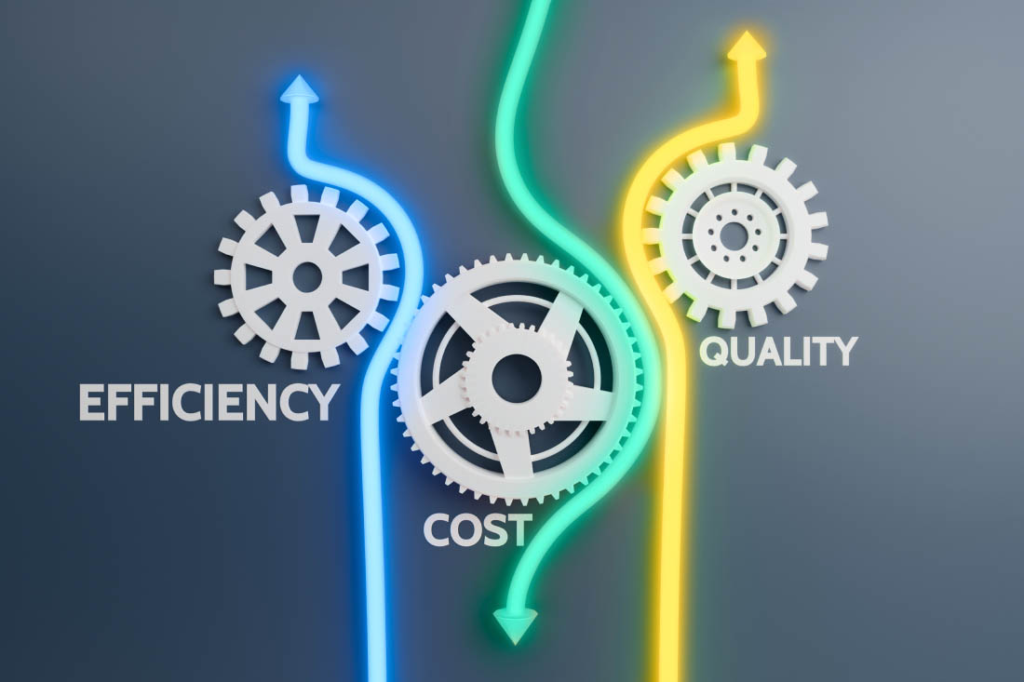
One of the strongest business cases for sustainability lies in operational efficiency. Sustainable operations reduce waste, optimize processes, and lower long-term costs.
Operational advantages include:
- Reduced energy, water, and raw material usage
- Lower waste management and disposal costs
- Smarter logistics and supply chain efficiency
- Improved productivity through process optimization
Sustainability initiatives often pay for themselves over time.
Risk Management in a Volatile Global Environment
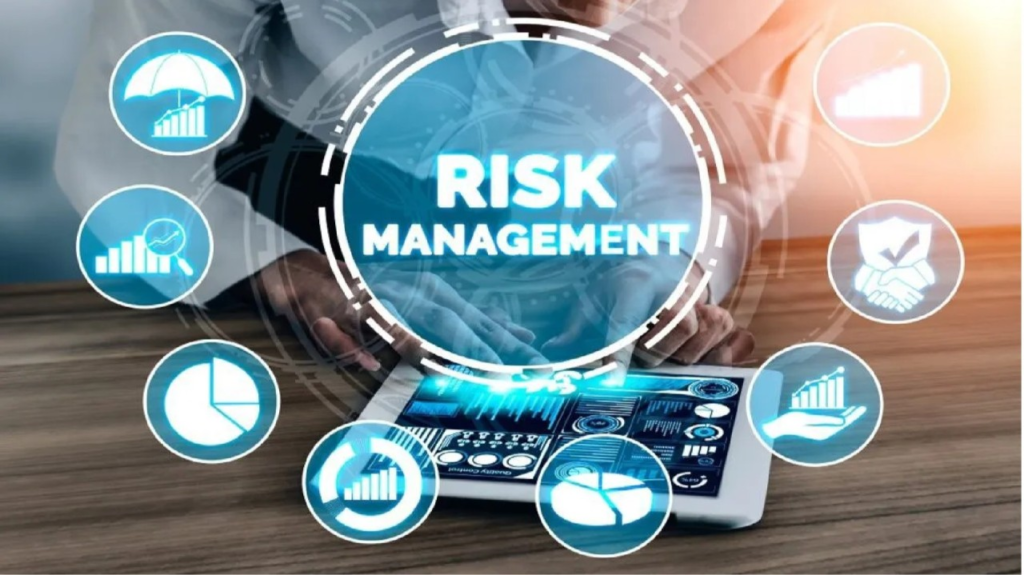
Climate risks, regulatory changes, and supply chain disruptions pose significant threats to businesses. Sustainability helps organizations anticipate and mitigate these risks.
Risk reduction through sustainability includes:
- Preparing for Climate Risk and extreme weather events
- Staying compliant with environmental regulations
- Reducing dependency on scarce natural resources
- Strengthening crisis response and resilience
Sustainable businesses are better prepared for uncertainty.
Sustainability as a Catalyst for Innovation
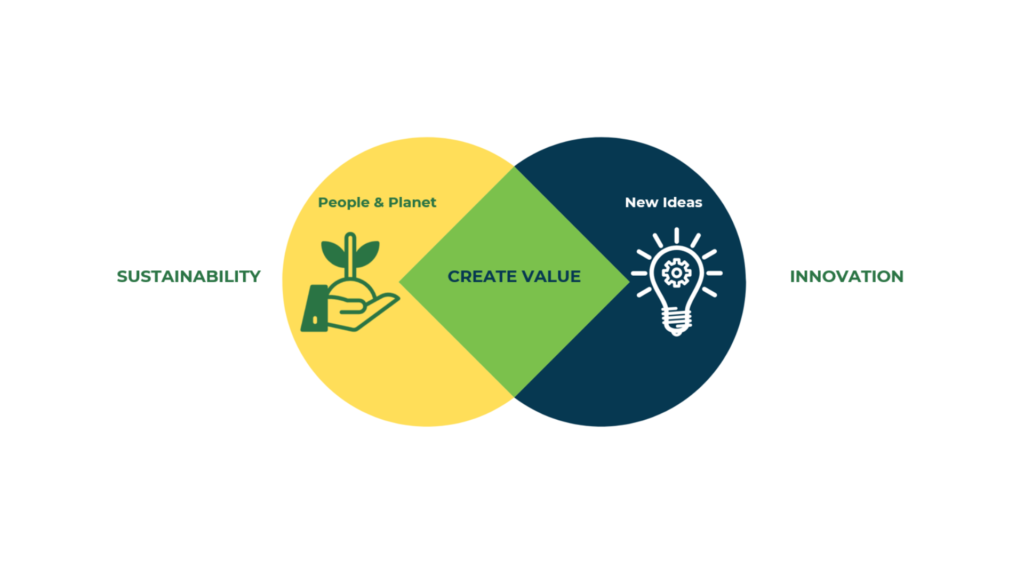
Sustainability pushes businesses to rethink traditional models and invest in innovation. Many breakthrough ideas emerge from the need to reduce environmental and social impact.
Innovation opportunities include:
- Clean energy and renewable solutions
- Circular economy and waste reduction models
- Sustainable packaging and materials
- Data-driven sustainability reporting
Innovation driven by sustainability supports long-term growth and relevance.
Leadership, Governance, and Accountability
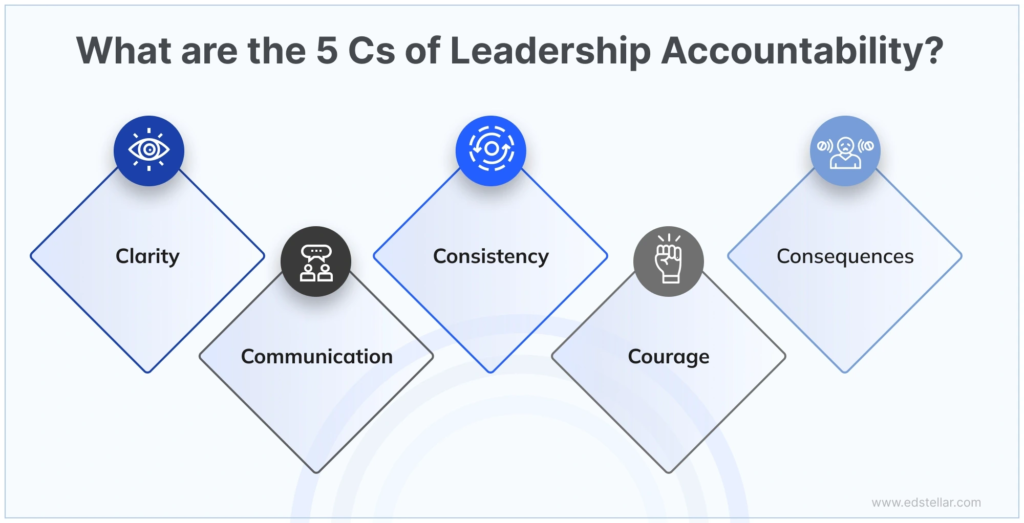
Strong leadership is essential to turn sustainability commitments into measurable action. Sustainability must be embedded in corporate governance and decision-making.
Leadership responsibilities include:
- Defining a clear Sustainability Strategy
- Aligning sustainability goals with business objectives
- Measuring impact through ESG metrics
- Ensuring transparency and public reporting
Without leadership commitment, sustainability remains superficial.
Long-Term Value Creation Through Sustainability
Sustainable businesses focus on long-term value rather than short-term profits. This approach benefits all stakeholders—shareholders, employees, customers, and society.
Long-term value outcomes include:
- Stronger brand equity and reputation
- Resilient and adaptable business models
- Stable and sustainable revenue growth
- Positive environmental and social impact
Sustainability aligns business success with global progress.
Sustainability and the Future of Business
As governments, investors, and consumers demand greater accountability, sustainability will define the future of business. Companies that act today will lead tomorrow.
Future-focused sustainability trends include:
- ESG-linked performance metrics
- Climate disclosure and reporting standards
- Sustainable supply chain transparency
- Integration of sustainability into core business KPIs
Sustainability is no longer optional—it is strategic.
Conclusion
In a rapidly changing world, sustainability has become a fundamental driver of business success. It reduces risk, enhances efficiency, builds trust, fuels innovation, and creates long-term value. Companies that integrate sustainability into their strategies are not only contributing to a better world but also securing their own future. The business case for sustainability is clear: responsible businesses are stronger, smarter, and more resilient.
Note: This content is intended for informational and educational purposes only. Sustainability strategies and outcomes may vary depending on industry, region, regulations, and organizational practices.
#Sustainability #BusinessSustainability #ESG #SustainableBusiness#ResponsibleLeadership #GreenEconomy #FutureOfBusiness
#CorporateResponsibility #SustainableGrowth #ClimateAction#Carrerbook#Anslation.