
Understanding the Future of Technology
Technology is evolving faster than ever, shaping the way we live, work, and interact. In 2026, the future of tech is defined by innovations that prioritize intelligence, efficiency, and sustainability. This includes not just digital advancements but also new approaches in energy, communication, and healthcare. Understanding emerging technologies is essential for professionals, businesses, and individuals to stay competitive and informed. These innovations are not only improving convenience but also tackling global challenges, from climate change to healthcare efficiency. Being aware of technological trends allows society to prepare for the shifts they will bring in lifestyle, economy, and industry structures.
Artificial Intelligence and Machine Learning
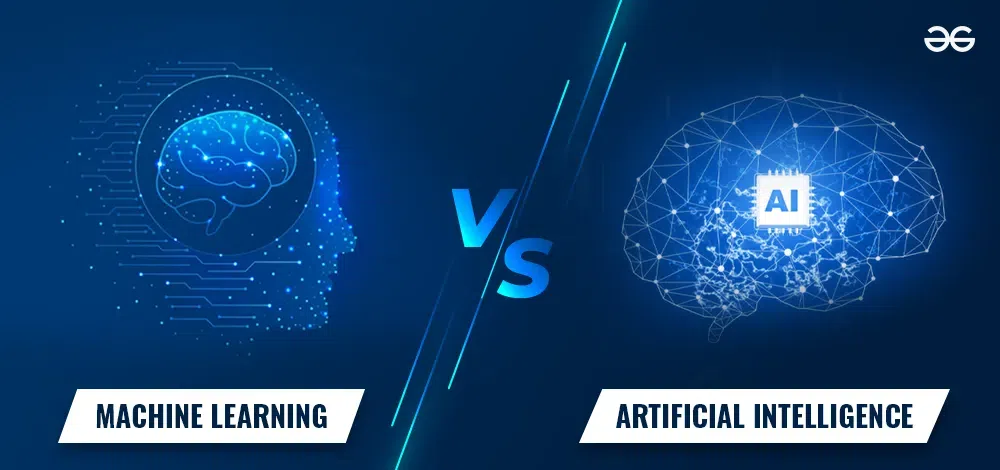
Artificial Intelligence (AI) and Machine Learning (ML) are the core drivers of innovation in 2026. AI is no longer limited to simple automation or basic analytics; it is increasingly integrated into advanced decision-making, personalized services, healthcare diagnostics, and complex industrial processes. ML algorithms now learn and adapt from massive datasets, predicting outcomes and optimizing efficiency like never before.
Key Areas Where AI and ML Are Making an Impact:
- Healthcare: AI-driven diagnostics, predictive treatment models, and patient monitoring systems.
- Business Operations: Automating repetitive tasks, supply chain optimization, and customer behavior predictions.
- Education: Personalized learning paths, virtual tutors, and AI-assisted research.
- Robotics: Intelligent robots for manufacturing, logistics, and service industries.
By combining paragraphs with detailed points, it becomes clear how AI and ML are transforming multiple sectors simultaneously, offering not only efficiency but also new opportunities for innovation and employment.
Robotics and Automation in Everyday Life
Robotics and automation continue to redefine daily life and workplace productivity. By 2026, collaborative robots—also called cobots—are designed to safely work alongside humans, assisting in tasks that are repetitive, dangerous, or require high precision. Automation is no longer confined to industrial production lines; it is now integrated into logistics, healthcare, and even personal daily activities. Robotics is also enhancing quality of life in homes, providing intelligent solutions for cleaning, personal assistance, and monitoring.
Quantum Computing and Advanced Processing

Quantum computing promises to solve problems that classical computers cannot handle efficiently. Unlike traditional computers, quantum systems leverage qubits, which can perform multiple calculations simultaneously, vastly improving processing speed and capability.
Why Quantum Computing Matters in 2026:
- Research and Development: Accelerates discoveries in pharmaceuticals, material science, and climate modeling.
- Cryptography: Provides highly secure encryption methods for financial institutions and government data.
- Data Analytics: Handles complex big data sets, generating insights that were previously impossible.
- Artificial Intelligence: Enhances machine learning algorithms with unprecedented computational power.
By presenting a combination of paragraph context and detailed examples, this section helps readers understand both the concept and practical applications of quantum computing in today’s world.
Renewable Energy and Green Technology
Sustainability and green technology are central to the future of tech in 2026. Innovations in renewable energy, battery storage, and energy management are reshaping how energy is produced, stored, and consumed. Solar, wind, and advanced energy storage solutions are becoming increasingly efficient, affordable, and widely adopted. Smart energy grids and AI-powered management systems help reduce wastage, optimize consumption, and balance supply and demand in real time.
Key Innovations in Renewable and Green Tech:
- Solar Efficiency: Next-generation solar panels capturing more energy from the sun with lower costs.
- Wind Turbines: Smart turbines with AI-based performance monitoring and predictive maintenance.
- Battery Technology: Advanced batteries with longer life, faster charging, and eco-friendly materials.
- Smart Grids: Intelligent energy distribution, automated fault detection, and renewable energy integration.
- Sustainable Materials: Biodegradable alternatives for packaging, construction, and electronics.
These developments not only reduce environmental impact but also create economic and industrial opportunities, highlighting how tech and sustainability are deeply interconnected in 2026.
Augmented Reality (AR) and Virtual Reality (VR)
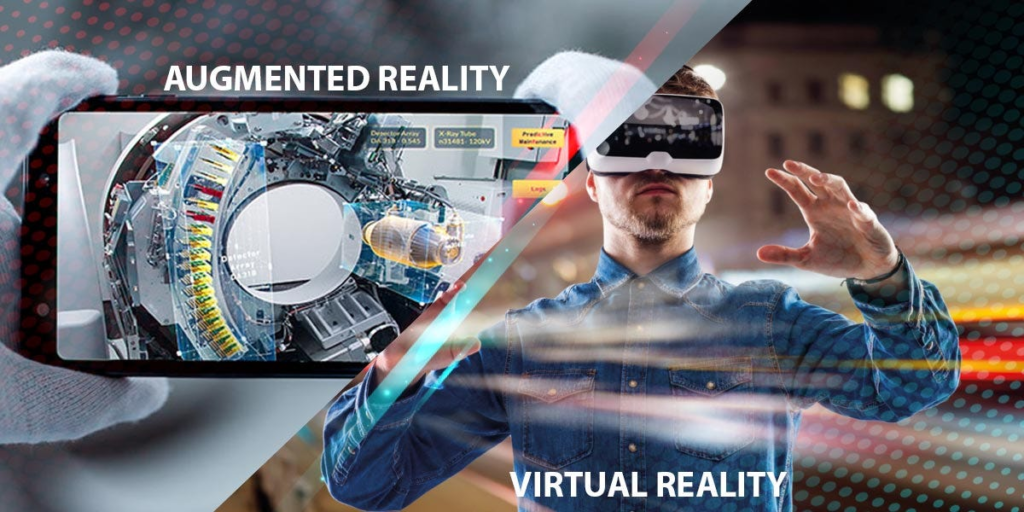
AR and VR technologies are expanding beyond gaming and entertainment into education, healthcare, retail, and professional training. AR enhances real-world interactions by overlaying digital information, improving decision-making and efficiency, while VR provides immersive experiences that simulate real-world scenarios.
By 2026, AR and VR combined with AI create adaptive and interactive environments where learners, professionals, and consumers can experience realistic simulations, personalized solutions, and innovative engagement. For example, surgeons can practice complex procedures in VR before operating, while AR applications guide technicians in repairing machines with step-by-step overlays.
The Internet of Things (IoT) and Smart Connectivity
IoT connects devices, systems, and people in a seamless, intelligent ecosystem. Smart homes, connected vehicles, and industrial IoT solutions optimize operations, improve safety, and enhance convenience. IoT devices collect vast amounts of data, enabling AI-driven analytics that anticipate needs, automate processes, and increase efficiency. This interconnectedness not only streamlines daily life but also generates actionable insights for businesses, improving decision-making, predictive maintenance, and resource management.
Cybersecurity and Data Protection
As digital connectivity grows, cybersecurity becomes paramount. Advanced encryption, AI-driven threat detection, and proactive security protocols are essential in 2026 to safeguard data, privacy, and critical infrastructure. Cybersecurity innovations now integrate directly into systems during design, ensuring that emerging technologies are safe and reliable. Individuals and businesses must adopt proactive measures, including regular updates, secure authentication methods, and risk assessments, to protect sensitive data in an increasingly interconnected world.
The Future of Tech: Innovations to Watch in 2026
Understanding the Future of Technology Technology is evolving faster than ever, shaping the way we…
Career Growth Strategies That Actually Work
Understanding Career Growth in the Modern Era Career growth today is not just about climbing…

Sustainability in 2026: Why It Matters More Than Ever
Understanding Sustainability in the Modern World Sustainability in 2026 represents a broader and more responsible…

Expert Recommendations That Actually Work
The Importance of Expert Recommendations in Today’s World In the modern digital age, people are…

Personal Growth Habits That Are Changing Lives in 2026
The Shift in Personal Growth in 2026 Personal growth in 2026 has evolved into a…

Recommendations That Work: Proven Picks and Insights
In today’s fast-moving digital world, people are constantly faced with choices—tools to buy, platforms to…

The future of technology in 2026 promises to be transformative, bridging intelligence, sustainability, and connectivity. AI, robotics, quantum computing, AR/VR, IoT, and green tech are redefining industries, daily life, and global challenges. To thrive in this era, professionals, businesses, and individuals must stay informed, adaptable, and proactive. By strategically adopting and integrating these innovations, we can enhance efficiency, create sustainable solutions, and unlock new possibilities that shape a smarter, safer, and more connected future.
#FutureTech2026 #InnovationTrends #AIandML #QuantumComputing #RoboticsInnovation #ARVR #IoTConnectivity #GreenTechnology #TechForFuture #EmergingTech#Carrerbook#Anslation.